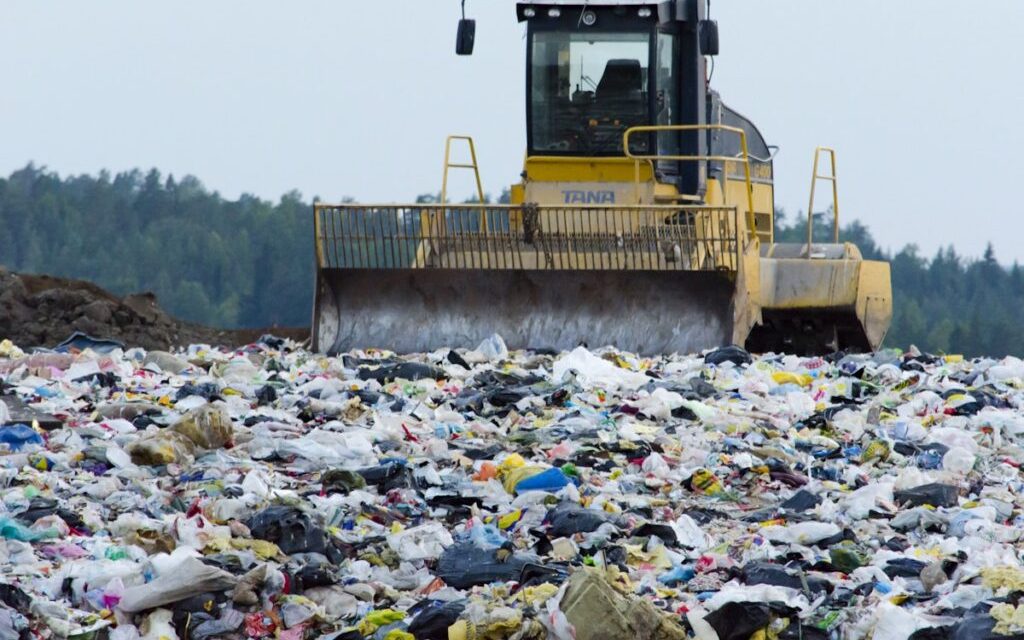
Did you know that fast fashion is a major contributor to global environmental challenges? This message isn’t about assigning guilt rather it’s about highlighting how small, everyday choices can make a meaningful difference.
The term “Fast Fashion” was coined in 1990 by the New York Times after the business Zara landed in New York. Since then, the businesses that are responsible for the most fast fashion production include, Zara, Shein, UNIQLO, and H&M.
That eight dollar t-shirt you purchased online or twenty dollar pair of jeans that never fit right, seem like small purchases. This will not make a dent, right? Unfortunately, every thread counts. According to the UN, “It takes around 7,500 litres of water to make a single pair of jeans”. This is equal to amount of water the average person drinks over a period of seven years.
This phenomenon impacts everyone. Our water, air and environment are all significantly impacted by pollution and over consumption. Although, we also see social aspects as well. These garments are often crafted in countries with unfair work safety laws as well as forced child labor. A report from the US Department of Labor found evidence of forced child labor in the fashion industry in places such as Argentina, Bangladesh, Brazil, China, India, Indonesia, Turkey, Vietnam and more.
Fast fashion is an accelerating environmental catastrophe, with the equivalent of one garbage truck’s worth of clothing either incinerated or sent to landfill every second, the UN chief warned on March 27th, 2025. With the rise of more fast fashion businesses like Temu, one can only imagine this statistic will rapidly increase.
How YOU Can Help
According to the UN, Experts estimate that doubling the lifespan of clothing could reduce greenhouse gas emissions by 44 per cent. One simple place to start is your very own closet. Donating gently used clothing to local thrift stores or community drives helps reduce waste while supporting others. What may no longer serve you could become a valuable find for someone else.
If you’re looking to shop or donate locally, here are a few thrift stores in the Presque Isle area worth exploring:
- The Cubby Thrift Store (377 Main St)
- Second Chances Thrift/Boutique (159 State St)
- The Cubby Thrift Store – Caribou
- Threads of Hope (830 Main St)
If you are looking for clothing drives to donate towards, don’t worry we have you covered. The list below are nearby locations mainly found on this website, https://www.maineneeds.org/aroostook-county-resources. For more information and other locations in the county, click on the link.
- County Cares (find hours on Facebook)
- Blessings Clothes Closet (Calvary Baptist Church)
46 Access Highway, Caribou | 207-493-6608 - The Closet Frog
34 Main Street, Limestone | 207-325-4870
St. Mary’s Social Action Committee
10 Roberts Street, Presque Isle | 207-762-7711
St. Thomas Aquinas & St. David Parish Food Pantry
105 12th Avenue, Madawaska | 207-728-3841 / 207-728-3209
Grace Interfaith Food Pantry
11 Industrial Street, Presque Isle | 207-764-8584
Serving Castle Hill, Chapman, Crouseville, Mapleton, and Presque Isle.
Students can also donate on campus at the University of Maine at Presque Isle, where donation bins are located in residence halls. Items collected are often used for campus fundraisers and community initiatives.
Thrifting not only supports sustainable fashion but also offers affordable options and unique finds you won’t see anywhere else. You never know what hidden gems you might discover.