by Jessica Crane, YourPace Student Contributor
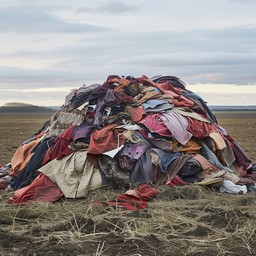
As student journalists, we are taught that our primary duty is to act as a “watchdog” for the public, holding powerful institutions accountable and reporting the truth without fear or favor. Yet, in the world of fashion journalism, that watchdog has been muzzled by the sheer velocity and economic weight of the fast-fashion machine. The industry’s shift toward a high-volume, low-cost business model hasn’t just ruined our closets and the planet; it is actively eroding the integrity of the media that covers it.
Fashion journalism once operated on a seasonal calendar, allowing reporters and critics time to analyze craftsmanship, cultural shifts, and the long-term impact of design. Today, the “fast-fashion logistics” of brands like Shein and Zara have weaponized speed, compressing the cycle from months to mere weeks. Media outlets, pressured to keep up with an “unprecedented pace” of new collections, often prioritize rapid-fire content over rigorous fact-checking.
Instead of critical reporting, many publications have become “engines driving trends,” inadvertently supporting a system of overconsumption by focusing only on aesthetic appeal rather than supply chain ethics. The core conflict for any modern fashion journalist is the struggle between ethical reporting and the “desirability of newness”. Fast fashion thrives on a cycle where garments are intended to be worn only a handful of times before being discarded. Many brands use vague assertions like “eco-friendly” or “bio-based” without credible certification. This must stop.
If we are to save fashion journalism, we must stop being its publicists. We need to move beyond simply showcasing the “novelty” of new materials and engage in deeper reporting on the lifecycle impacts of what we wear. Our role is not to help the public shop; it is to help the public understand the world.